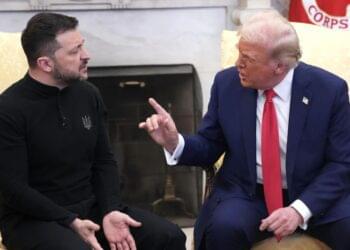

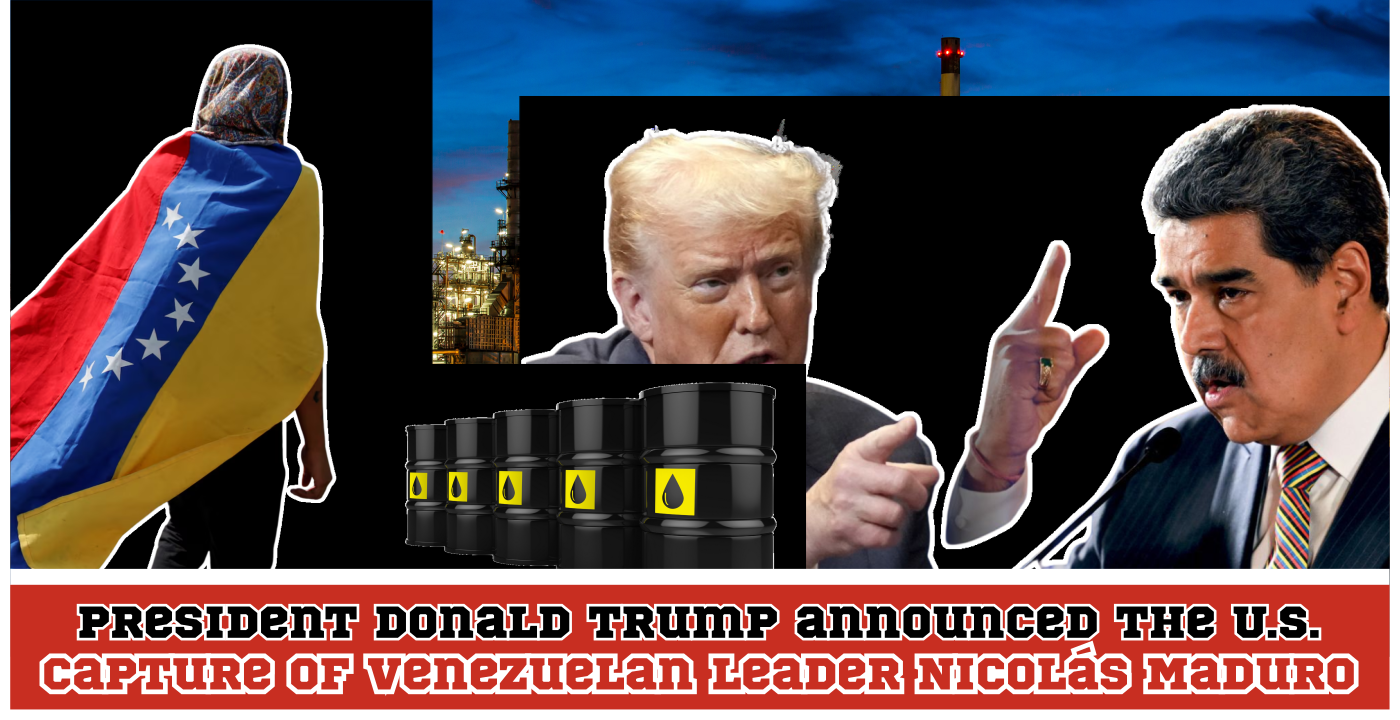

















On January 3, 2026, U.S. special forces executed Operation Absolute Resolve, launching precision airstrikes on Caracas military targets before capturing Nicolás Maduro at Fuerte Tiuna base. President Donald Trump announced the arrest from Mar-a-Lago, labelling Maduro a “narco-terrorist kingpin” facing U.S. trial, as PSUV loyalists decried it an illegal kidnapping while opposition celebrated a democratic breakthrough.
Venezuela’s crisis, marked by economic collapse, hyperinflation, and political turmoil, originated from oil dependency and mismanagement under Chávez and Maduro. Recent US military intervention capturing Maduro has intensified the Venezuelan humanitarian crisis, drawing worldwide condemnation and support. This article explores the Venezuelan economic crisis causes, political divides, and international responses for The Raguel News.
Roots of the Venezuelan Crisis
The crisis began during Hugo Chávez’s presidency (1999-2013), fueled by overreliance on oil exports, which financed social programs but neglected diversification. Price controls, nationalizations, and corruption led to shortages and inefficiency, worsening under Nicolás Maduro after 2013 amid falling oil prices in 2015. Hyperinflation hit 800% by 2016, with GDP shrinking 75% by 2021, poverty reaching 95%, and mass emigration of 5.4 million.
Key causes include authoritarian governance, human rights abuses, and failure to invest in oil infrastructure, dropping production drastically. Chávez’s “economic war” declaration in 2010 and Maduro’s denial of humanitarian needs exacerbated starvation, disease outbreaks like malaria, and infant mortality surges.

Political Parties’ Stances
The United Socialist Party of Venezuela (PSUV), led by Maduro, blames an “economic war” by capitalists, sanctions, and opposition sabotage, viewing policies as defending sovereignty. They decry US actions as invasion, with Vice President Delcy Rodríguez calling Maduro’s capture a “barbaric kidnapping”.
Opposition coalitions like the Unitary Platform (Plataforma Unitaria Democrática) and leaders such as María Corina Machado attribute the crisis to PSUV mismanagement, corruption, and rigged elections, including 2024’s disputed vote. Machado hailed Maduro’s 2026 capture as “the time for freedom,” urging restoration of democracy and release of prisoners.
UN and Global Reactions
The UN expressed alarm at US military strikes, with Secretary-General António Guterres calling it a “dangerous precedent” violating international law, urging restraint. Human Rights Chief Volker Türk prioritized Venezuelan protection amid volatility.
Other countries largely condemned the US: China labeled it a “blatant use of force,” Russia and Iran vowed retaliation, and Cuba denounced it as a “criminal assault”. India voiced “deep concern,” monitoring the situation and calling for dialogue to ensure stability.
USA Adversaries and Senators’ Views
Russia, China, and Iran, Maduro’s key backers via loans and oil trades, see US intervention as regime change aggression threatening Latin America. They position it as countering US hegemony, similar to past support against sanctions.
US senators split: Democrats like Chuck Schumer and Tim Kaine push resolutions blocking further action without Congress, citing War Powers Act violations. Republicans like Marco Rubio defend the operation, denying ground forces presence, while some like Rand Paul oppose escalation.
Possible Future Directions
Venezuela could stabilize via opposition-led elections and oil revival, leveraging reserves if sanctions ease. Risks include civil war if PSUV resists, proxy conflicts with Russia-China involvement, or refugee surges straining neighbors. Economic liberalization might reduce poverty, but inequality persists. US “running” the country, as Trump suggested, faces legal and global backlash, potentially sparking broader geopolitical tensions.
Subscribe to “The Raguel” for more updates and news.